
More time cooking.
Less time counting orders in chats.
When every chat asks for a flavour, a date and a pack size, a busy kitchen becomes an order book. A clear product page lets customers make their choices once.

For the person doing a lot on their own
The baker answering flavour questions at midnight. The maker checking name spellings. The creator organising good finds. Give your everyday work a clearer way to reach people.

When every chat asks for a flavour, a date and a pack size, a busy kitchen becomes an order book. A clear product page lets customers make their choices once.
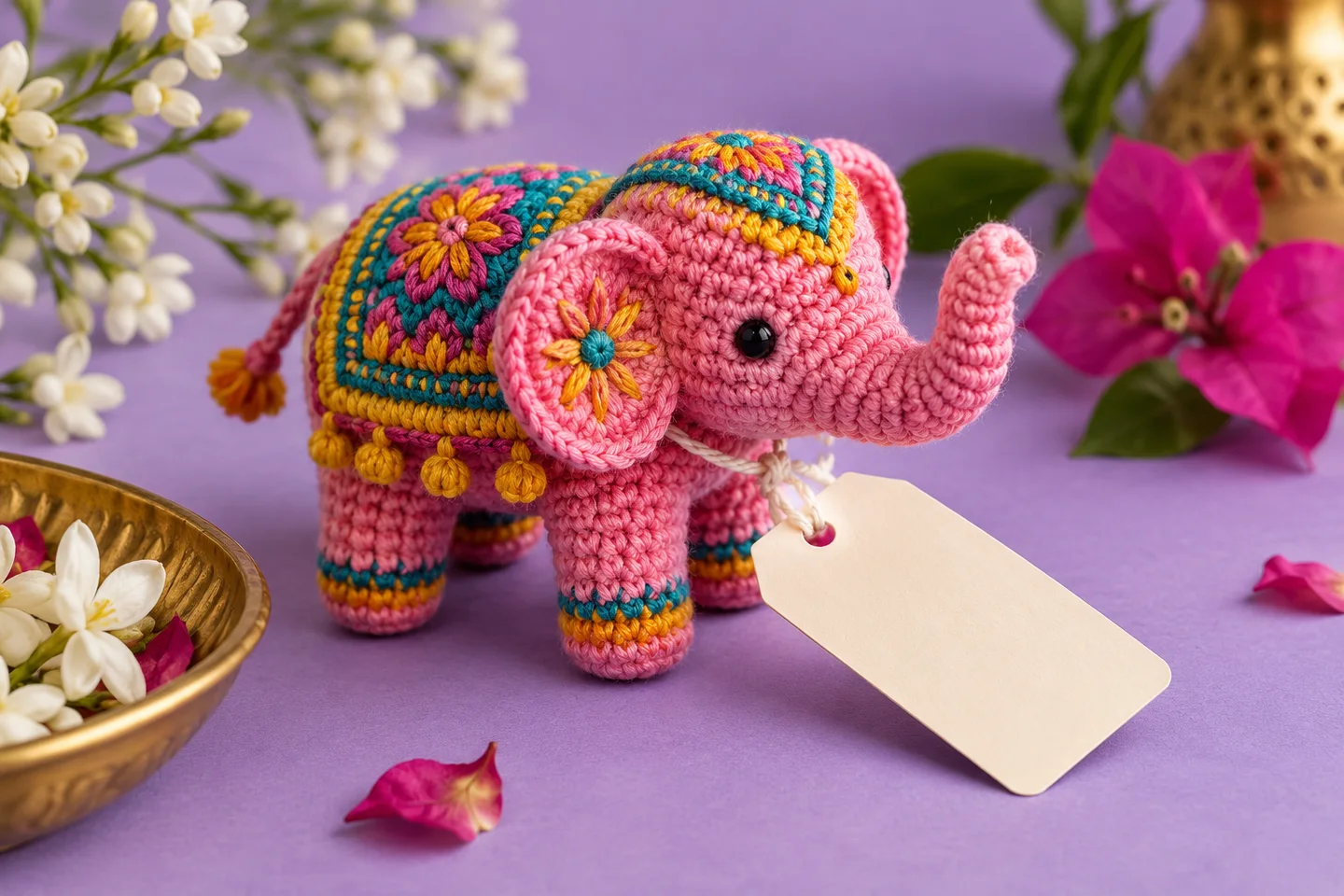
You should not have to guess which spelling was the final one. Collect the name beside the product and preserve it with the order. Let the customer check the exact spelling before you confirm the final design.

Give each item a price, a description and stock that reflects your orders. Begin with clear individual listings; keep each item’s details clear and easy to compare.
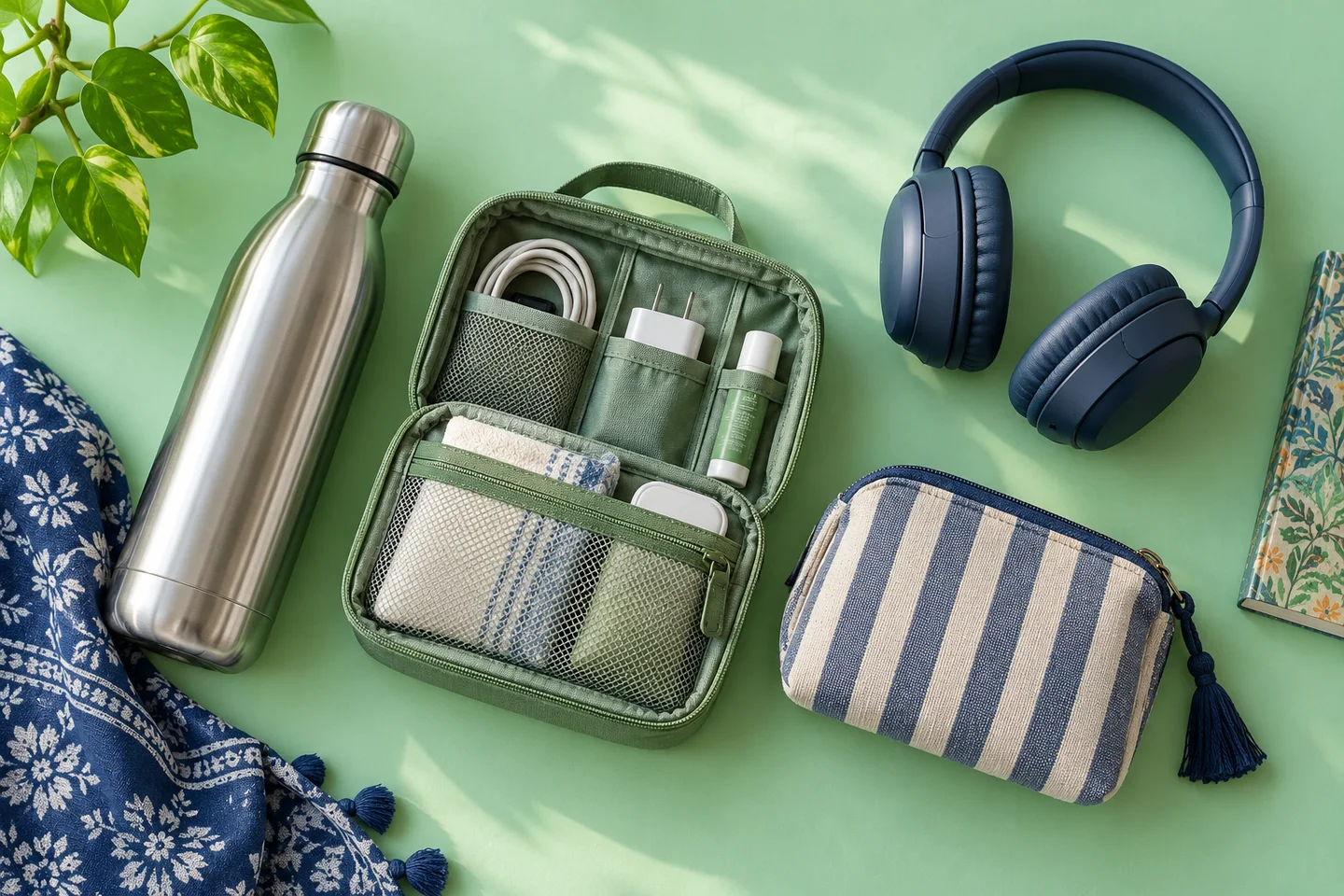
Bring your approved recommendations into one branded shop. Be clear about affiliate links and send customers to the retailer for current prices and checkout.

List your digital creations without shipping fields. Explain what the customer receives and how they may use it. Describe the file format, what is included and how the customer may use it.
For your working day
You do not need a large catalogue, a warehouse or a full-time team to explore a better buying journey. Begin with the products and customer questions already in front of you.

Pack sizes, ingredients, notice periods and pickups matter more than a generic shopping page. Let a customer understand the batch before they ask you to repeat it.
Custom names and messages deserve an exact instruction. Keep the making detail attached to the order so your craft does not depend on remembering the latest chat correction.
A small catalogue can still be useful: clear photographs, an honest price and a count of available stock. Start with the items your customers ask for most, then add to your catalogue at your own pace.
A branded collection can organise your taste. Use your own authorised programme and keep the retailer’s price, availability and checkout separate from your shop.
Digital listings need a different flow from a parcel. Shipping fields do not belong there; explain the included files, permitted use and customer support. Make the resource’s contents and intended use easy to understand.
Name your shop, choose what you sell and work through a clear next action. There are working examples to try, drafts to come back to and guides written around ordinary questions.
A good next step
Create your store. Add a product. Share a link.